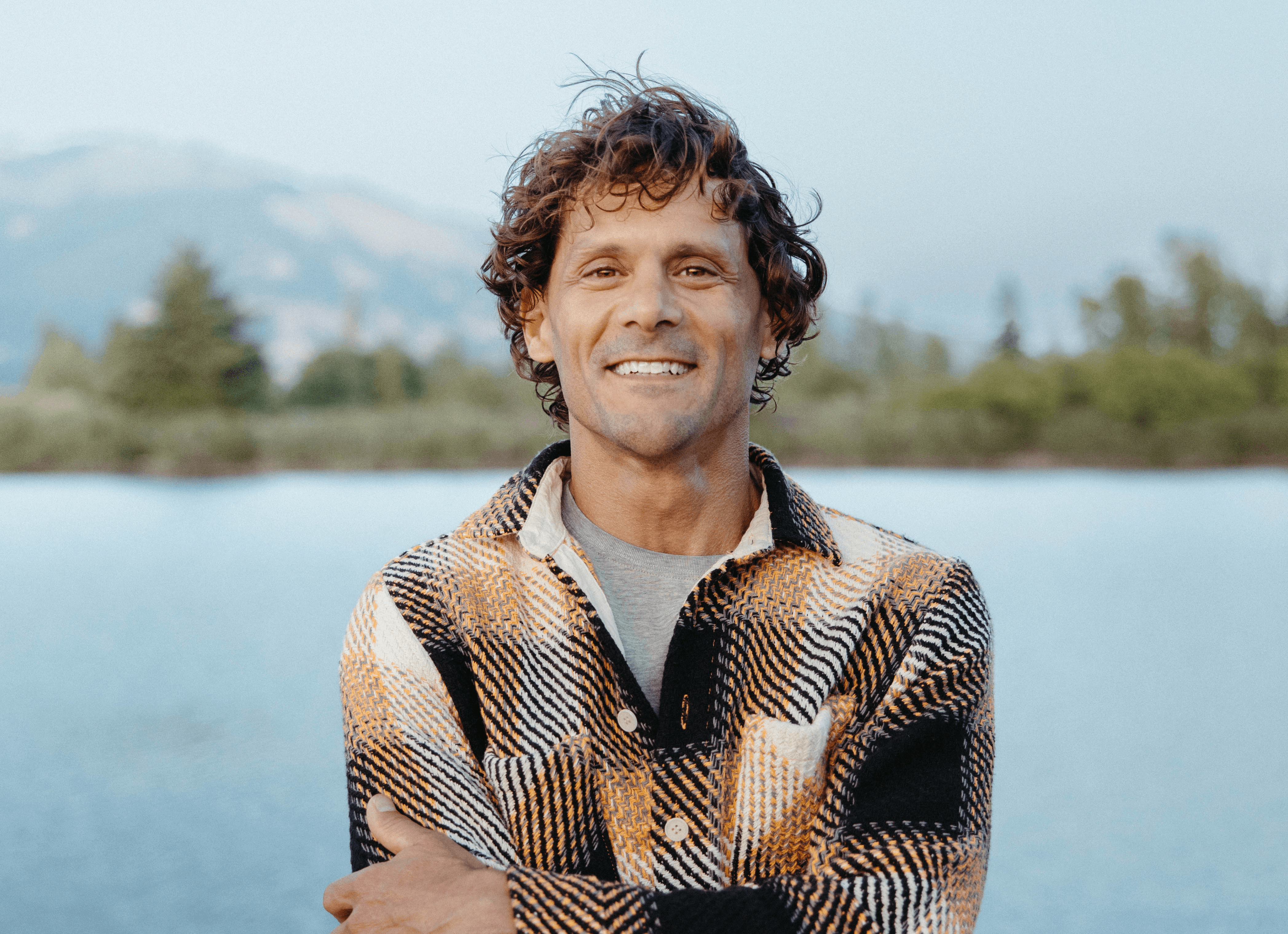
Marketing with Meaning: A Conversation with Chris Enlow @ Futurescapes Consulting
Curiosity has always been Chris Enlow’s through-line. From the Peace Corps to nonprofit leadership to impact work inside of global footwear brand KEEN, Chris has channeled that curiosity into work that helps teams connect values with action by focusing less on what’s broken and more on what’s working. As a sustainability strategist and advisor through his company Futurescapes Consulting LLC, Chris helps brands bridge the gap between values and pragmatism, partnering with teams to build grounded, durable, values-driven solutions that reduce risk, improve products, and make business sense today.
In this Marketing with Meaning interview, Chris shares his thoughts on the importance of clear, practical consumer benefits in sustainability messaging, the need for human-centered language, and the essential role that listening plays in effective communication.
1. What’s one shift you’re seeing right now that’s redefining how brands connect with people, for better or worse?
The shift is from moonshots and 2050 targets to values-based realism. People respond when impact improves their lives now, such as lowering cost, improving health, or increasing product quality. Sustainability that saves money and reduces risk is far more powerful than distant ambition.
2. What’s one thing that’s surprisingly effective at engaging audiences right now, and one thing that brands think works but actually turns people off?
What works? Being real. Practical steps people can understand and experience today. What doesn’t? Big promises, abstract language, and campaigns that feel bigger than the actual work behind them.
3. Is cultural relevance more about a brand staying true to its own voice and values, or aligning with its audience’s? Where do brands most often get that balance wrong?
Brands are not abstract entities; they’re groups of people. Cultural relevance comes from aligning around shared human priorities like safety, health, and affordability. When organizations focus more on protecting a constructed voice than building real connections, they miss the point.
4. Can you share a campaign or story that’s really stuck with you, something that’s shaped how you lead or think about your work?
While at KEEN, I helped support a public lands initiative that became more of a movement than a marketing campaign. It succeeded because it created space for diverse voices and local leadership rather than controlling the narrative. The result was lasting federal policy impact, and it served as proof that shared values, not slogans, drive real change.
5. How can brands talk about purpose or sustainability in ways that feel real, not performative?
Embed it into the product and the purchase, and make the benefit clear. Show how it saves money, improves quality, supports community, or reduces risk in ways people can actually feel. When purpose creates real value for the customer, it stops feeling performative.
6. What’s one technology that communicators believe is the future of marketing but that you think is actually a dead end?
I don’t believe in true dead ends, but I do think we overestimate technology and underestimate human connection. In-person gatherings, one-on-one conversations, and community-building are not outdated; they are essential. A handshake and a shared table build trust in ways algorithms never will.
7. Please share something you learned about your audience in the last year that completely surprised you or caused you to change your strategy?
I’ve learned how much language matters. You can continue advancing climate work or belonging initiatives, but framing them in simple, human terms makes all the difference. Talking about clean water, healthy communities, and fairness resonates more than politically charged terminology.
8. What’s one buzzword or trend in marketing you think we should retire? What would you replace it with?
Dare I say: Retire the word “brand.” Behind every 'brand' is a company, comprised of human beings making decisions. Replacing abstract branding language with human-centered language makes communication more honest and grounded.
9. What skill do you wish you’d developed 10 years ago that would have accelerated your career or made you a more effective communicator?
Listening first. I’ve always valued curiosity, but fully embedding deep listening into every decision and conversation would have amplified both my career growth and my impact. When listening leads, communication becomes clearer and more trusted.
10. When you’re not thinking about marketing or communications, what inspires your creativity or keeps you grounded?
Active civic engagement in my Oregon community keeps me rooted. Serving on nonprofit boards and a statewide commission has reinforced that sustainability is about stewarding place, managing resources wisely today so they endure tomorrow. In an era of fragmentation, common ground, shared responsibility, and place-based action remain our most powerful tools for lasting impact.