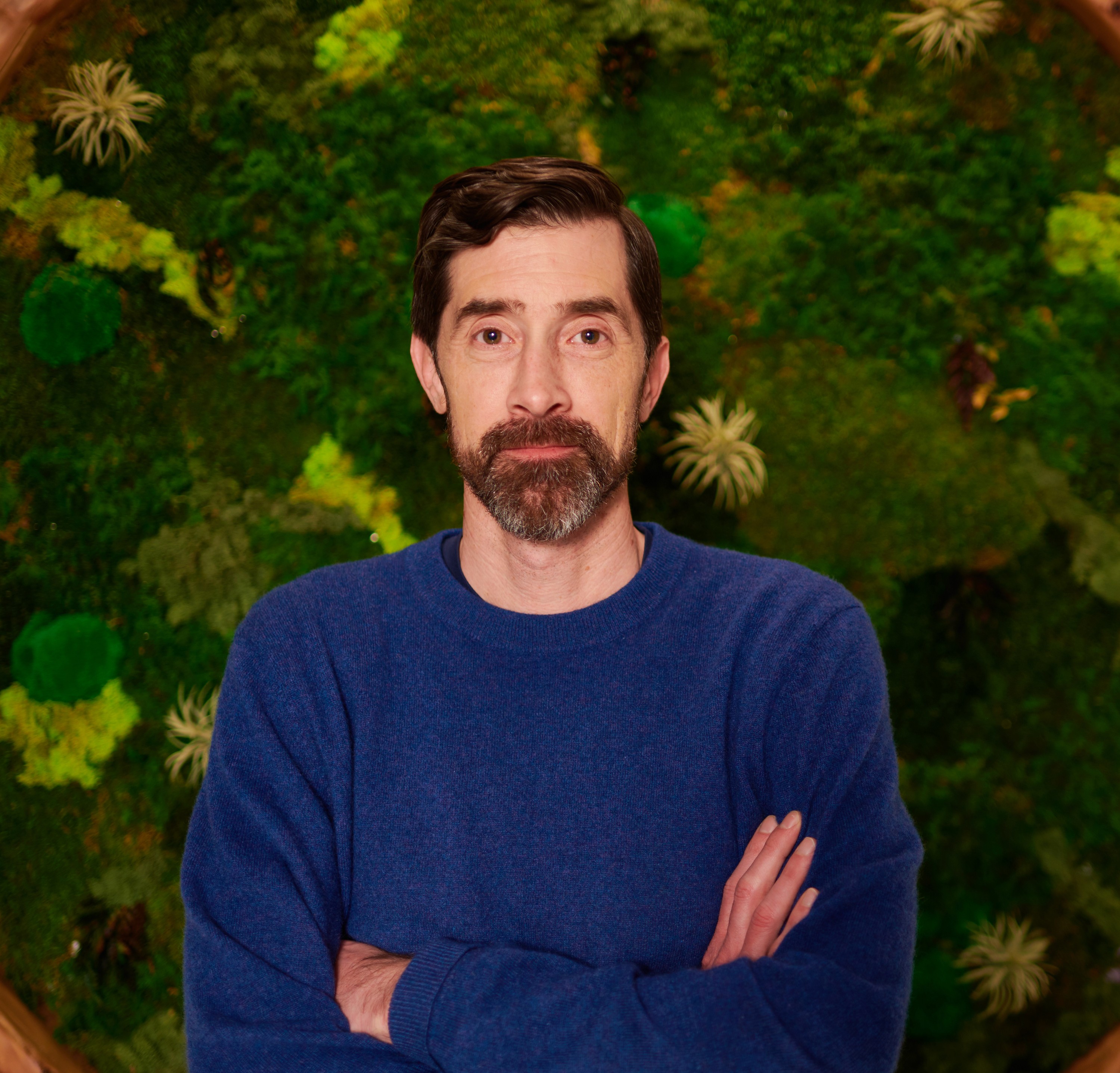
Marketing with Meaning: A Conversation with Alex Hausman @ Google
Alex Hausman's sustainability journey started while eating a burrito in downtown Portland in 1999. Over a meal, he learned about the idea of corporate sustainability and has been chasing it ever since. While traveling that 20+ year path, Alex has helped brands like Timberland, Disney, and Nike elevate their sustainability strategy, disclosure, and performance. He’s currently Director, Sustainability Reporting at Google, where he’s been focused on the challenge of navigating the political, social, and cultural headwinds that are a constant in the corporate sustainability space today.
Alex recently shared his thoughts on the challenges of greenhushing, the need for brands to evolve with their audiences, and the value of collaboration. Read more in his Marketing with Meaning interview.
1. What’s one shift you’re seeing right now that’s redefining how brands connect with people, for better or worse?
The phenomenon of greenhushing is both genuine and pervasive. Driven by a variety of legal, political, and social pressures, the headwinds of greenhushing require brands to navigate the current landscape with care and tact. Despite these challenges, brands need to continue prioritizing a steadfast commitment to meaningful, long-term impact.
2. What's one thing that's surprisingly effective at engaging audiences right now, and one thing that brands think works but actually turns people off?
AI has the power to both engage and alienate audiences. I’m focused on demonstrating how AI can streamline the creation of complex environmental content while simultaneously improving its readability. Getting this right can increase disclosure and make it more accessible to audiences. Paradoxically, too much reliance on AI can also turn some people off.
3. Is cultural relevance more about a brand staying true to its own voice and values, or aligning with its audience’s? Where do brands most often get that balance wrong?
While I don't claim to be a brand expert, my two decades of experience within brand environments have shaped my perspective. I believe brands must consistently evolve alongside their audience; failure to do so compromises their ability to generate shareholder value. While private entities like Patagonia often enjoy greater flexibility, public brands often don’t enjoy that freedom. I often wonder how much cultural significance brands have today, as they typically appear to be following culture rather than directing it.
4. Can you share a campaign or story that’s really stuck with you, something that’s shaped how you lead or think about your work?
The 2018 Colin Kaepernick ad by Nike has always resonated with me. It was a bold move to engage with such a significant cultural and political moment. Having been at the company during that period, I was fascinated by the process behind its creation. Marking the 30th anniversary of the "Just Do It" campaign, Nike aimed to reclaim its legacy of being an outsider and a disruptor. I think it is unlikely that a major brand would be willing to embrace that level of risk in today's climate…
5. How can brands talk about purpose or sustainability in ways that feel real, not performative?
Brands can cultivate authenticity by embracing transparency. Since few people believe that brands or corporations have all the answers, it is important to be both modest and truthful when discussing sustainability. Brands should share their advancements, but also be open about the obstacles they face. While this approach may seem straightforward, it often conflicts with the natural inclination of some functions within a company that prefer to avoid highlighting a company's shortcomings.
6. Please share something you learned about your audience in the last year that completely surprised you or caused you to change your strategy?
Audience research indicates that younger generations may prioritize the environment less than older cohorts. While the reasons for this shift are varied and often unclear—ranging from a lack of reliable information to general pessimism—it undoubtedly complicates the work of corporate sustainability communicators. We can no longer assume that younger audiences will naturally be more engaged. Instead, we must actively work to provide high-quality information, clearly articulate why these issues matter, and focus on actionable solutions rather than purely negative narratives. Although this trend is challenging, it underscores the importance of the industry taking nothing for granted and striving to deliver the right messages to the right audiences effectively.
7. What skill do you wish you’d developed 10 years ago that would have accelerated your career or made you a more effective communicator?
Looking back at my early career, I wish I had prioritized collaboration over being overly protective of my ideas. Today, my approach has shifted toward an open, collaborative mindset. In those early years, I often mistook personal passion for the subject matter as a reason for exclusive ownership of my projects. I have since come to believe that when more people feel a sense of investment in an idea, its chances of success increase significantly.
8. When you’re not thinking about marketing or communications, what inspires your creativity or keeps you grounded?
Exercise is my form of meditation. Pushing myself through physical activity makes me feel more human and keeps me grounded, which ultimately helps me be a better father, husband, and employee.